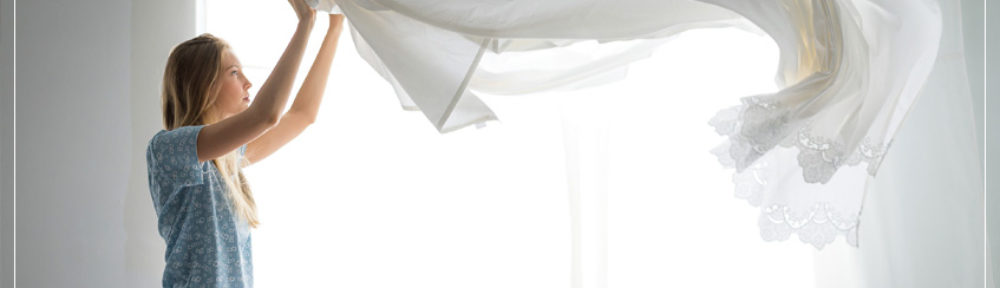
Here is a common headache in the incontinence care category: skin complaints. When end users – especially elderly patients or postpartum mothers – develop redness or irritation, they blame the pad. Then they blame the brand on the package. Then they switch to a competitor.
Most reusable bed pads use polypropylene nonwoven topsheets. PP is cheap and functional, but it is not the most skin-friendly material. For users with fragile or sensitive skin, the difference is noticeable.
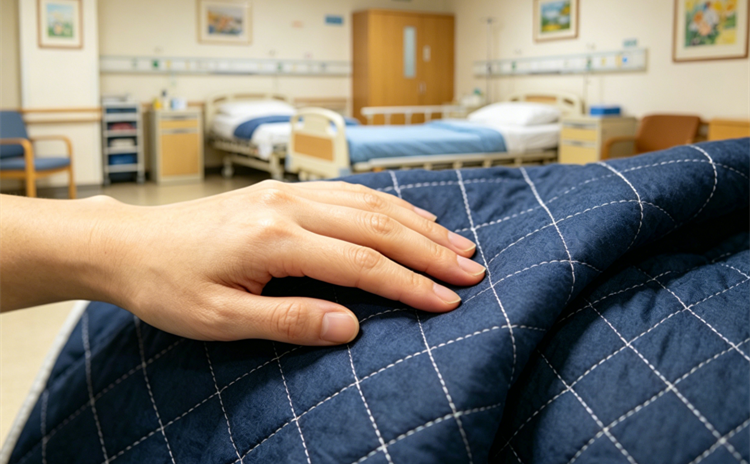
Our pad replaces PP with a 70% viscose / 30% polyester needle-punched nonwoven absorbent core. Viscose is a natural-based fiber derived from wood pulp. It is:
More breathable than synthetic alternatives
Softer to the touch – no rough or scratchy feel
Naturally absorbent – pulls moisture away from the skin faster
The polyester component adds strength to survive repeated washing. This is not a one-time-use material. It is engineered for the laundry room.
Fewer complaints = stronger brand loyalty
When your customers (nursing homes, hospitals, or home care users) experience fewer skin issues, they stick with your brand. Complaints are expensive – they require customer service time, replacement product shipments, and often result in lost accounts.
By specifying a viscose-based absorbent core, you differentiate your product in a crowded market. Most competitors will not invest in this material. You can.
We do not hide material specifications. Our pad uses 70% viscose / 30% polyester needle-punched nonwoven at 360gsm. The top surface is warp-knit quick-dry fabric. The backsheet is 0.02丝 PU membrane – thin, waterproof, and breathable.
We invite you to compare. Order a sample of our incontinence pad and your current supplier’s pad. Feel the difference. Then check your complaint log in 90 days.
Learn more: http://www.springtextile.com Or Spring Hometextile video channel: www.youtube.com/channel/UCMCz-yKQMYxA1e2Uscw5PHw Also can contact Tina at: [email protected]