
Not every fabric is ideal for Overlock Outside construction. As a factory, we believe in being honest with our B2B clients about what works and what does not. Recommending the wrong method helps no one. This post covers which fabrics perform best with Overlock Outside and which require a different approach.
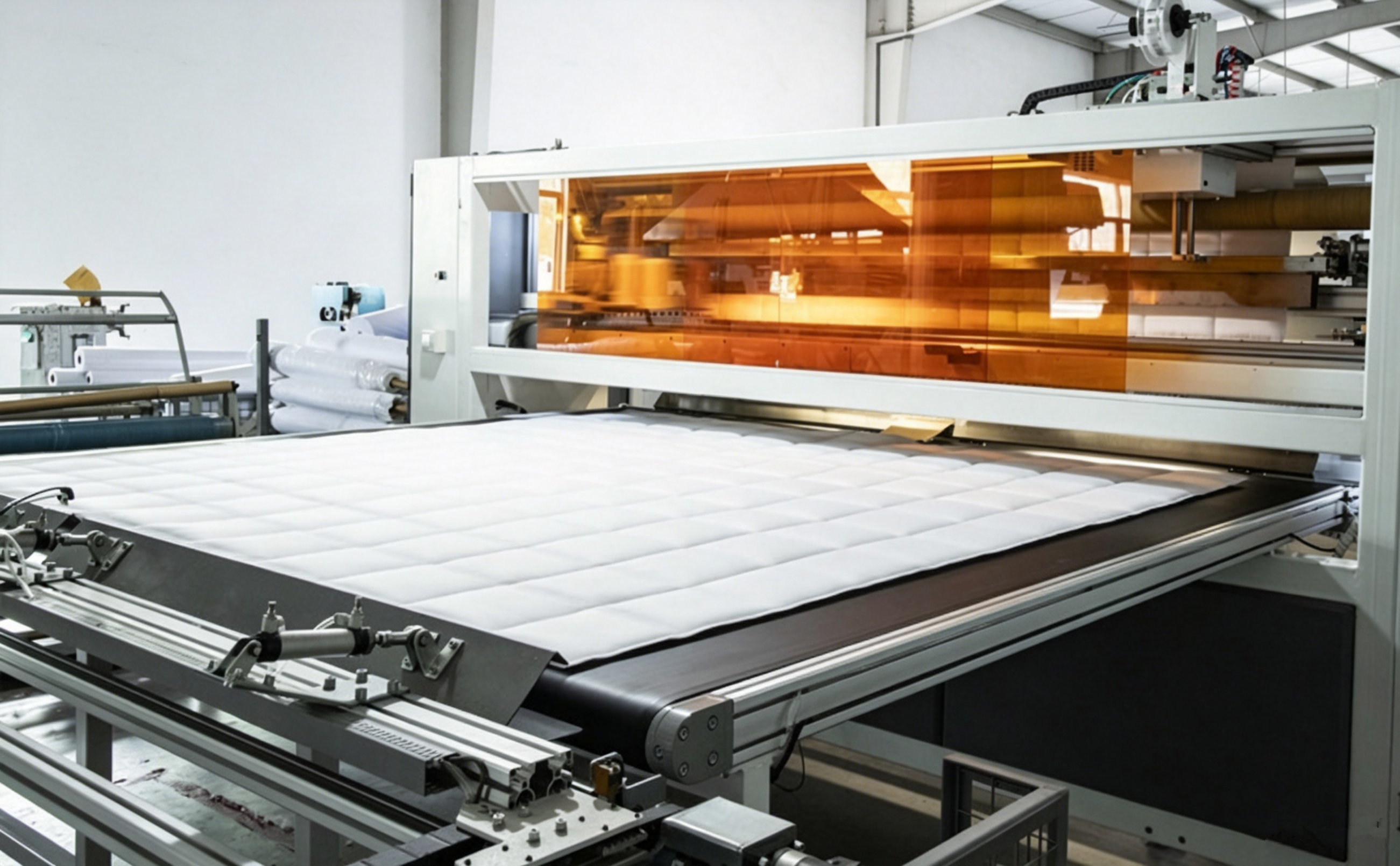
These materials hold the stitch well and do not curl excessively at the raw edge:
- Cotton percale: percale’s stable structure makes it ideal. The edge does not fray aggressively, and the overlock stitch lies flat.
- Cotton-polyester blends: the polyester content reduces edge curl and adds tensile strength. Overlock Outside on blends produces a very clean, consistent finish.
- Linen and linen-blends: linen’s natural unevenness actually hides the exposed stitch well. The rustic look pairs beautifully with the visible overlock edge.
- Double gauze: gauze frays minimally due to its loose but entangled structure. Overlock Outside is actually the preferred method for gauze baby blankets and lightweight throws.
- Thin foam: thin foam materials benefit greatly from Overlock Outside. The one-pass seaming prevents foam shifting that often occurs with multi-step folding methods. The exposed stitch also reduces bulk at the edge, keeping the foam’s intended softness and flexibility.
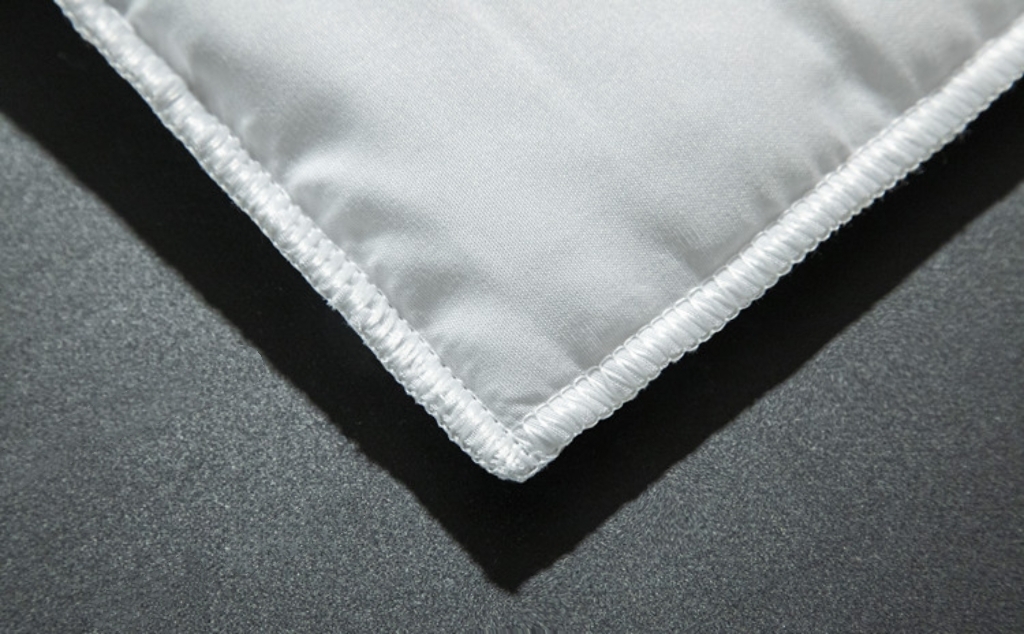
Fabrics to avoid or test first:
- Silk charmeuse or high-satin weaves: slippery fabrics allow the overlock thread to slide unevenly. The visible stitch can look wavy. Alternative: traditional folded hem or rolled hem.
- Heavy fleece or mink blankets: thick, pile fabrics do not feed evenly through overlock machines. The stitch density required for fine overlock becomes difficult to maintain. Alternative: binding or banded edges.
- Very loose-weave fabrics: some slub weaves and open-structure textiles may pull out of the overlock stitch over time. We recommend wash-testing samples before committing to bulk.
Overlock Outside is not a universal solution, but for the right fabrics, it delivers exceptional speed without compromising durability. As a factory, we guide you toward the right method for your specific product line.
Learn more: http://www.springtextile.com Or Spring Hometextile video channel: www.youtube.com/channel/UCMCz-yKQMYxA1e2Uscw5PHw Also can contact Tina at: [email protected]