
Wool pillows are ideal for temperature-sensitive, allergy-prone, and eco-conscious sleepers, with minor drawbacks like higher upfront cost and occasional fluffing needs.
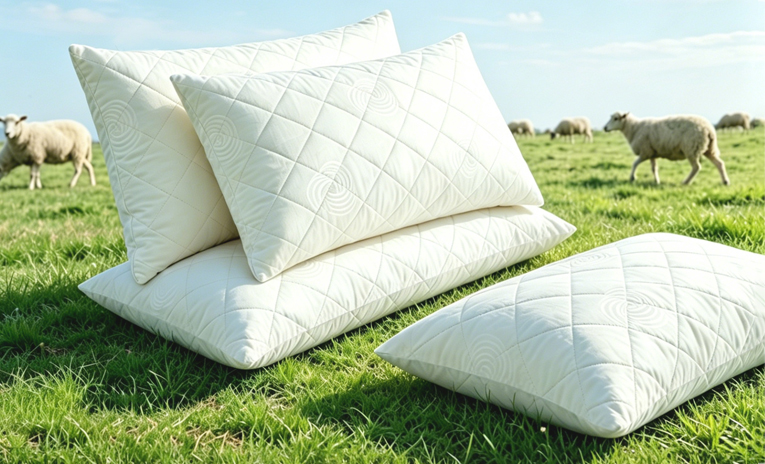
Wool pillows stand out as a natural, sustainable bedding choice, but they’re not one-size-fits-all. Let’s break down their key pros and cons to help you decide if they’re right for you.
What are the disadvantages of wool pillows?
While wool pillows offer many benefits, they have a few tradeoffs to consider:
- Higher initial cost: Premium wool pillows often cost more upfront than synthetic options, though their longer lifespan balances this over time.
- Need for regular fluffing: Wool fibers can compact slightly with use, requiring weekly fluffing to maintain loft and support.
- Not fully machine-washable for all types: Some wool pillows require spot cleaning or air-only drying to preserve the fill, unlike fully washable polyester pillows.
- Potential for mild wool scent: New wool pillows may have a subtle natural lanolin scent, which fades with airing over time.
Who are wool pillows best for?
- Temperature-sensitive sleepers: Wool’s natural breathability prevents overheating in summer and retains warmth in winter.
- Allergy sufferers: Dust mite-resistant lanolin reduces irritation for those with common bedding allergies.
- Eco-conscious consumers: Wool is renewable, biodegradable, and less harmful to the planet than petroleum-based synthetics.
Overall, wool pillows deliver comfortable and healthy sleep, making them a worthy investment for suitable users.
Learn more: http://www.springtextile.com Or Spring Hometextile video channel: www.youtube.com/channel/UCMCz-yKQMYxA1e2Uscw5PHw Also can contact Mary at: [email protected]